

Training for a running festival isn’t the same as training for a road race, even though most online advice assumes it is. A festival gives you a loop you repeat, hours instead of minutes to finish, a distance you can pick that morning, and a full weekend of camping, music, and sauna time built around the run itself.
That changes your prep, and mostly for the better. Below is a framework built around the Runningman race, where you choose anything from a 5K to a 50K and get eight hours on The Loop to finish it.
Why Festival Racing Is Different
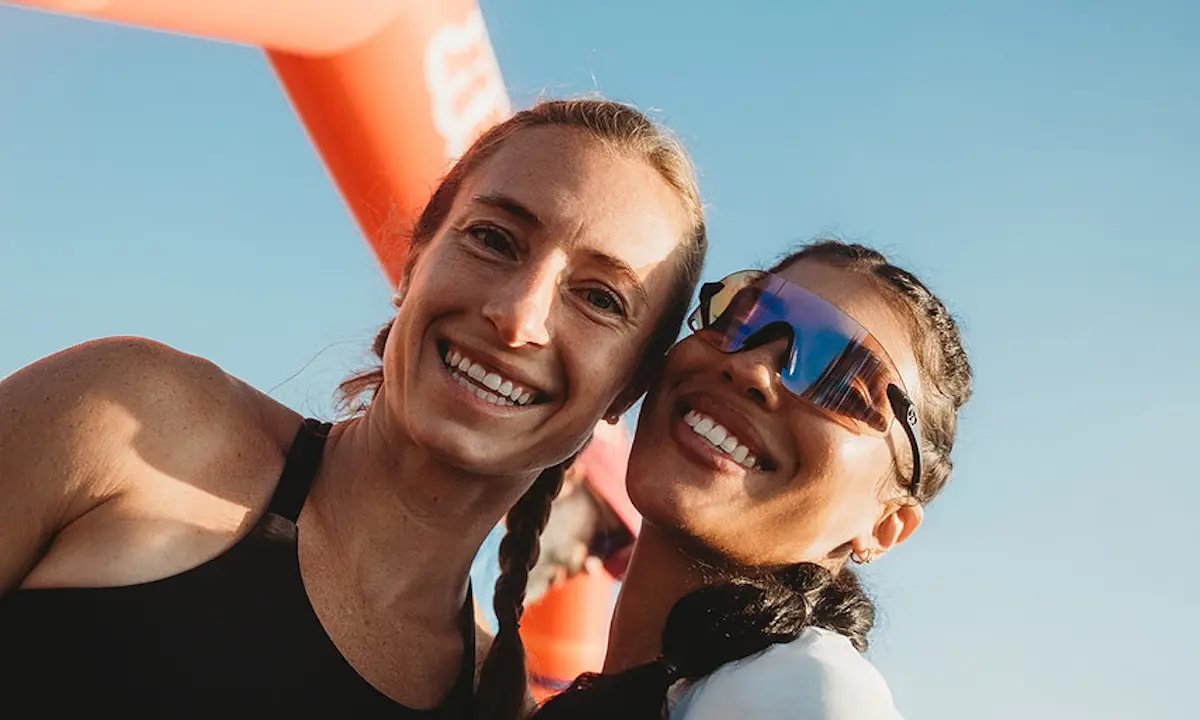
A road race has one question: how fast can you finish this exact distance? A festival asks something friendlier: how far do you want to go today? Getting ready for that question is less about speed work and more about building an engine that can run for hours while you handle food, water, and mood along the way.
| Category | Road Race | Running Festival |
| Course | Point-to-point or one big loop | Short loop you repeat |
| Distance | Locked in when you register | Often picked that day |
| Clock | Tight cutoffs | Wide window (8 hours at Runningman) |
| Aid | Spread out along the course | Close by, every single loop |
| After the race | Drive home | Sauna, music, camp |
| What you train for | Speed at a fixed distance | Time on your feet, comfortably |
Loops, Aid Access and Time Windows
Running in circles sounds boring, but it is the format’s hidden advantage. Your tent, the bathrooms, your aid stations, and your friends are always close by. Stash whatever gear you want, and you will pass it again next loop. Nobody gets stuck nine miles into nowhere hunting for a toilet.
The wide time window also changes your math. Walking three miles an hour is still fast enough to cover real ground inside eight hours, which means walking breaks are not a fallback plan. They are part of the strategy from the start.
Choosing Your Distance on the Day
The best part of this format doubles as its hardest training question. If you never have to lock in a distance ahead of time, what exactly are you training for? Train for a range instead. Set a floor you know you can hit and a ceiling you would attempt on a strong day. Build toward the ceiling, promise yourself the floor, and let the morning of the race make the call. The pressure fades and the fitness sticks around anyway.
Pick Your Target Distance (5K to 50K)
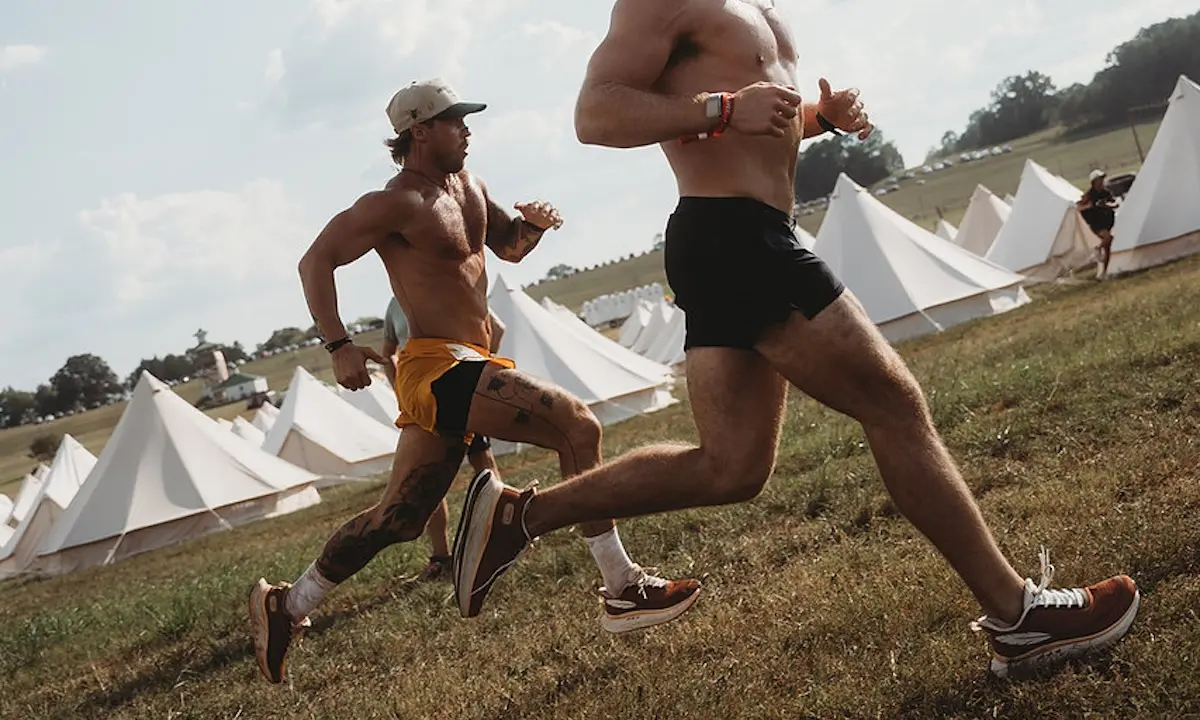
Get honest about where you are starting from, then choose your range.
- New or coming back to running: floor of 5K, ceiling of 10K. Doable in eight weeks using a walk-run buildup.
- Running a few days a week already: floor of 10K, ceiling of a half marathon. A generous clock makes the half far less intimidating than a road half with a hard cutoff.
- Experienced and looking for a challenge: floor of a half, ceiling of a marathon or beyond. Loop courses are one of the friendliest places to try your first ultra, since dropping to a shorter distance costs you nothing but a little pride.
Every finisher at every distance takes home a medal, so even a cautious day still counts as a win.
The 8-Week Framework
Eight weeks can get most runners ready for their floor, and plenty of runners to their ceiling, too. Skip the complicated periodization. What you actually need is consistency and one long run that keeps growing.
Three Runs a Week Is Enough
Two easy, conversational-pace runs during the week, plus one pivotal weekend run that gradually increases in distance. That long run teaches your body to burn fuel well, your feet to handle time on the ground, and your mind to get through the quiet middle miles. Keep the pace easy. If you can’t hold a conversation, you’re going too fast.
Growth should be gradual. The American College of Sports Medicine suggests small weekly jumps, with an easier week every third or fourth week built in, to help you absorb the training. Cut down the volume in the final two weeks, so you show up fresh. For the science behind the method, see our guides to easy zone 2 running and improving your VO2 max.
Where Strength and Rest Fit
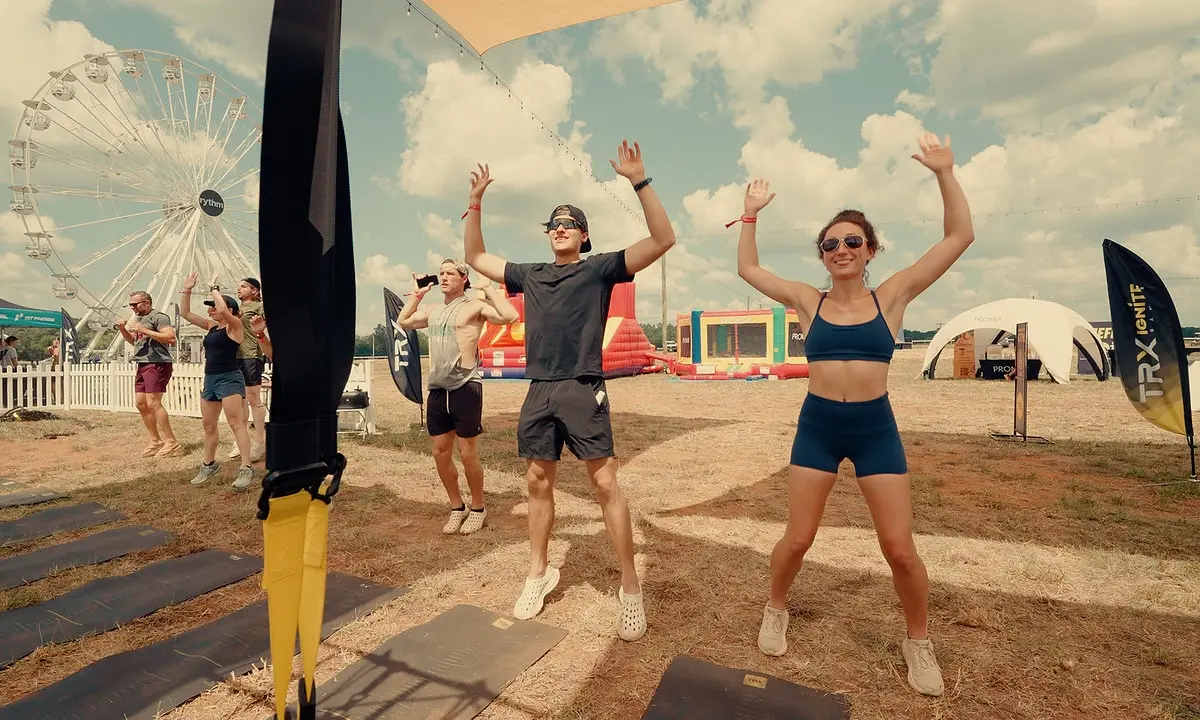
One or two short strength sessions weekly (think squats, lunges, calf raises, and core work) add durability that running alone will not, especially on loop courses where the same terrain repeats under your feet. Rest days aren’t optional. Recovery is where fitness actually gets built, and a festival rewards you for showing up rested rather than heroic.
Rehearse your fueling on those long runs too. Aid may sit close by on loop courses, but your stomach still needs the practice. Our nutrition for runners guide covers what and when.
Training for the Whole Weekend
Here’s what most road-race plans skim past: at a festival, the race itself happens on Saturday, but the event runs Friday through Sunday. You’ll sleep in a tent or a glamping setup, spend time in a massive sauna, maybe dance longer than planned, and live outside in Georgia in September.
None of that needs formal training, but a little planning goes a long way.
- Sleep: camping sleep is different sleep. Pack more warmth and padding than you think you need, and protect your Friday night if Saturday is race day.
- Sauna time: heat and racing together is a real combination. Keep Friday’s sauna village light and save the long sessions for Saturday evening, once you have earned them.
- Heat overall: September in Georgia runs warm. Train during the warmer part of the day sometimes so race-day heat feels familiar, and take fluids seriously all weekend long.
- Feet and gear: test everything you plan to wear or carry on a long training run first. Race weekend is a bad place to discover a bad seam.
Common Festival-Training Mistakes
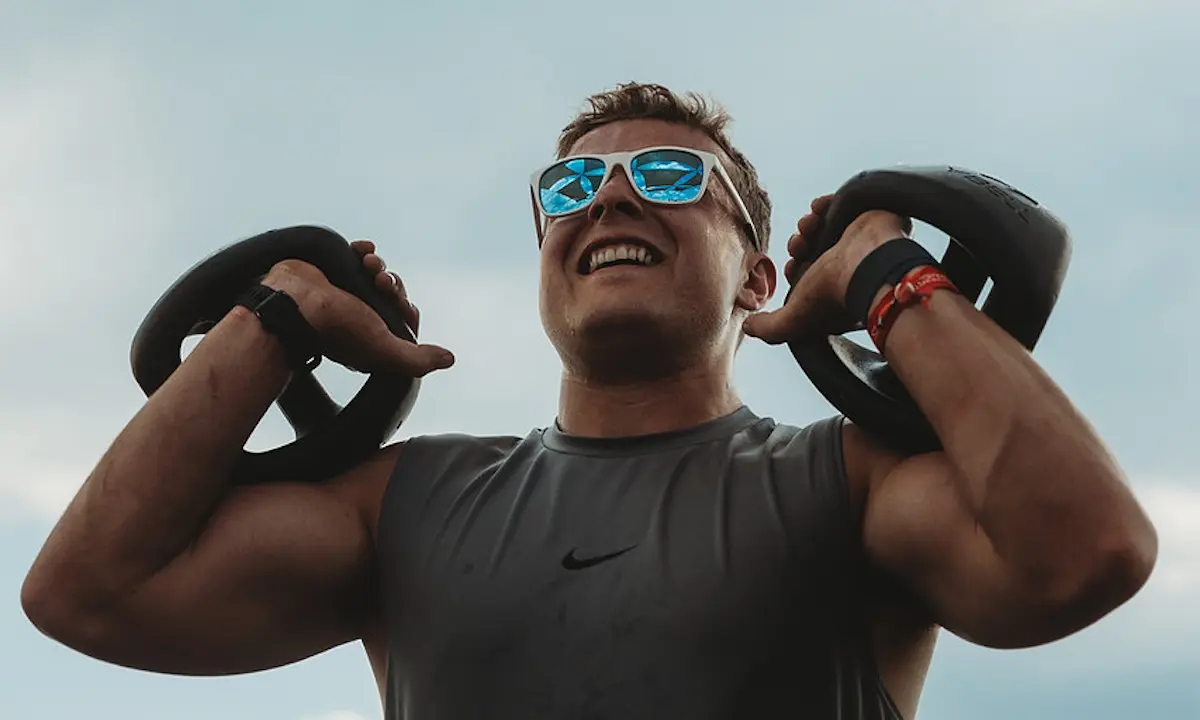
A few mistakes show up every year.
- Training only for the ceiling (your best) turns an ordinary rough day into a perceived failure, when a floor-and-ceiling range would have kept it a good day regardless.
- Running every session fast builds fatigue instead of endurance.
- Skipping fueling rehearsals on long runs means meeting a strange gel for the first time mid-race.
- Treating the weekend itself as an afterthought leaves you arriving tired from a rushed Friday instead of settled and fed.
All four are easy to dodge with the framework above, and dodging them is most of what this sport comes down to.
Runningman 2026 runs September 18 through 20 at Kingston Downs in Rome, Georgia, and the start line welcomes every distance between your floor and your ceiling. Get tickets and passes and start your eight weeks whenever you are ready. This guide holds up next year too, since the format does not change.
FAQs
Can a Beginner Really Train for a Running Festival in 8 Weeks?
Yes, comfortably, for a 5K to 10K range, using a walk-run buildup and three sessions a week. The wide time window makes this format beginner-friendly. Forward motion counts, walking counts, and the distance can flex to match the fitness you actually built.
How Is Training for Loops Different From Training for a Normal Race?
The fitness required is the same, but tactics can be a little easier. You can practice steady pacing without worrying about surprise hills late in the race, plan your fueling around passing your own supplies each loop, and break the distance into repeatable chunks. Some runners even do long training runs on a short local loop just to practice the rhythm.
Should I Decide My Distance Before Race Day?
Pick a range to aim for, instead of a single number. Train toward your ceiling, guarantee yourself the floor, and choose on race morning based on how you feel, the weather, and how much fun you are having. That flexibility is the entire point of the format.
Do I Need Trail-Running Experience?
No. Loop courses like The Loop at Kingston Downs use accessible terrain built for every level, nothing like technical mountain trails. Regular road-running shoes and regular training will cover it. Check your own event’s course notes for details specific to that course.
Sources
- American College of Sports Medicine (2026) Resistance training guidelines update. Available at: https://acsm.org/resistance-training-guidelines-update-2026/ (Accessed: 24 August 2026).
- American College of Sports Medicine Position Stand. Available at: https://www.ovid.com/jnls/acsm-msse/fulltext/10.1249/mss.0000000000003897~american-college-of-sports-medicine-position-stand (Accessed: 24 August 2026).


